Pantropical Spotted Dolphin (Stenella attenuata)
- Max. Length
- 260 centimeters
- Max. Weight
- 120 kilograms
- Frequency
- Common but prone to fishing by-catch
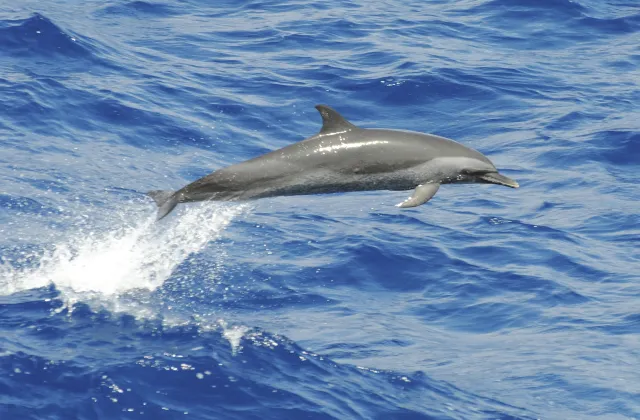
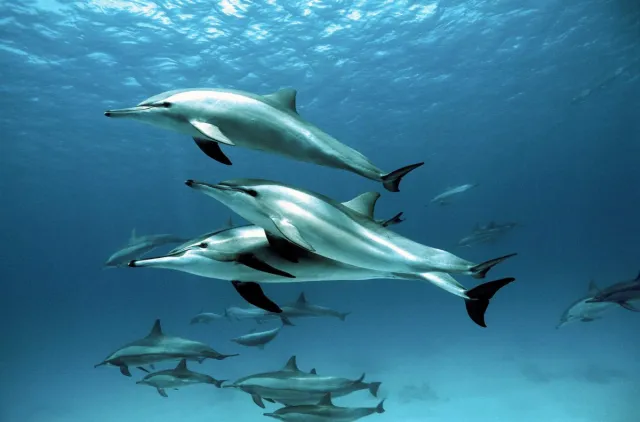
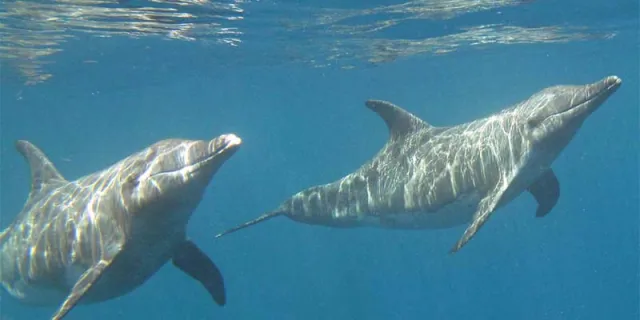
If you have done several interactions with a pantropical spotted dolphin, you will notice that they have a body variation in terms of size and color. This is due to the fact that they have two varieties. The ones that you will find near the coast are larger and has more spots scattered around the body. The ones that you will find in Cocos island are the pelagic variety where they are smaller and has less spots. In particular, their spots are colored white and located mostly on the belly.
What is common between these varieties are their beak which are both long and thin. They have this distinct white coloration at the edge of their lower and upper jaw giving you an impression that they wear a white lipstick.
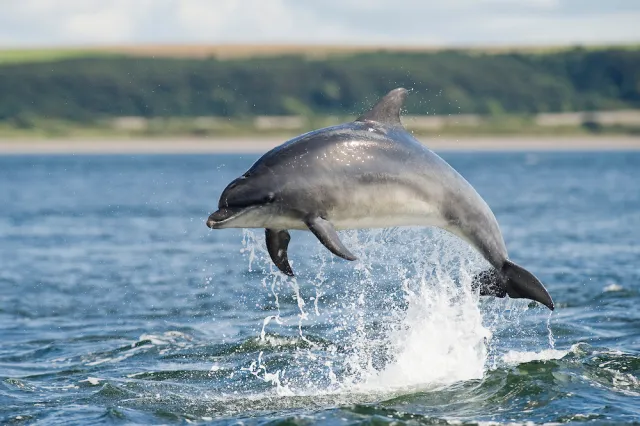
Similar to a bottlenose dolphin, a pantropical spotted dolphin are also capable of leaping out of the water. If luck is in your side when you visit Cocos island, you can see not just one but several individuals simultaneously swimming in one direction as if they are chasing something. This is true especially during the arrival of a large school of small migrating sardines where pantropical spotted dolphins joins in this shallow water feast called the baitball.
Host to a Long-list of Parasites
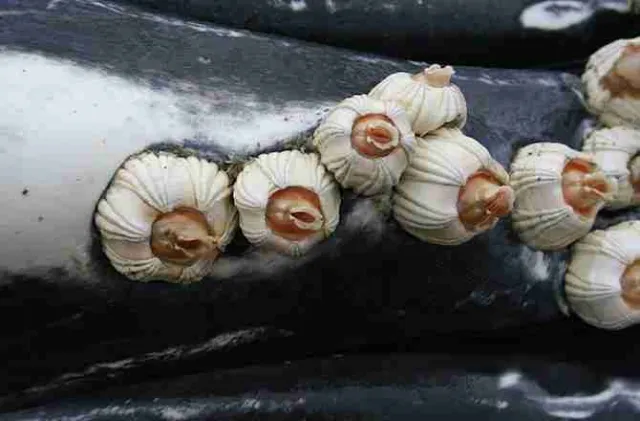
Many of us are wishing to touch a dolphin since we have this impression that they are a playful animal. While it is true that they are really playful, you might as well think again before touching them. Their bodies are loaded with parasites like nematodes, cestodes, cyamid lice and barnacles.
This now raises concerns if dolphins can transmit diseases to humans. While in-depth studies are on the way, it is already proven that dolphins in general can transmit their disease to humans. This transmission of disease is called “zoonotic infection” where parasites, virus and other disease may enter the human body. This is especially true if you have a skin cut or any infection of the skin where it can become the entry point of the diseases.
Let us just put it this way: while the urge to touch a dolphin is high, you might as well control that urge after knowing the possibility of disease transmission. Further, since dolphins are considered wild animals, it is best for them not to be touch since they are not pets. Studies show that touching them could lead to animal stress and our near presence means disturbance to them. Can you just imagine the stress levels of dolphins in a theme park that is surrounded by noisy people?
A Tuna By-catch
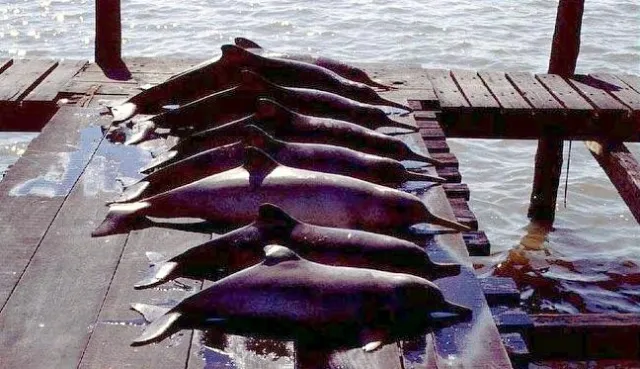
Of all the dolphins in the world, there is one species that has a close tie with tunas. It is quite unbelievable that two completely separate species swims close by to each other. We are talking about the relationship of a pantropical spotted dolphin and a yellowfin tuna where you can see both species swim side by side towards a common goal: to eat sardines and other small fish where both of these species share the same food preference.
However, this partnership can sometimes put them in jeopardy. Due to the high demand of tuna in fish markets, they are pursued by commercial fishermen using state of the art technology. Most of the modern fishing vessels are now equipped with sonar that can easily track the migration of tunas. Further, most commercial fishing vessel are now using highly effective fishing gears, like the purse seine, where the probability of escaping this harvest is close to none. Unfortunately, the efficiency of these fishing vessels has placed the lives of millions of pantropical spotted dolphins in danger. Since dolphins thrive in close proximity with tunas and tunas are fished out by commercial fishermen in huge quantity, dolphins have become a by-catch. This means that even if dolphins are not a target species for fishermen, they are collectively fished out together with tunas.
Reference
Sealife Base: www.sealifebase.org
Wikipedia: www.wikipedia.org
NOAA Fisheries: www.fisheries.noaa.gov
Video courtesy from Jake levenson